
Nursing for a Premature Baby
Nursing for a Premature Baby
Introduction
Nursing for a premature baby is critical to ensuring their health and development. Premature infants, born before 37 weeks of gestation, require specialized care due to their underdeveloped organs and systems. Effective nursing care is essential in addressing their unique needs and promoting optimal outcomes. This article provides an overview of the key aspects of nursing care for premature babies, including initial assessment, ongoing monitoring, and supportive measures.
Initial Assessment and Stabilization
Immediately after birth, premature babies undergo a thorough assessment to evaluate their condition. This initial evaluation focuses on stabilizing the baby and addressing any immediate health concerns.
1. Initial Assessment: The baby is assessed using the Apgar score, which evaluates heart rate, breathing, muscle tone, reflex response, and color. This score helps determine the need for immediate medical intervention.
2. Stabilization: Premature babies may require assistance with breathing, temperature regulation, and circulation. Nurses play a crucial role in providing initial support, such as administering oxygen, ensuring the baby is placed in a warm environment, and monitoring vital signs.
Neonatal Intensive Care Unit (NICU) Care
Most premature infants are admitted to the Neonatal Intensive Care Unit (NICU), where they receive specialized care. The NICU environment is designed to provide the best possible support for preterm babies, including:
1. Temperature Regulation: Premature babies are placed in an incubator or under a radiant warmer to maintain their body temperature. This helps prevent hypothermia and ensures that the baby remains in a stable and controlled environment.
2. Respiratory Support: Many preemies need assistance with breathing. Nurses may use devices such as CPAP or mechanical ventilators to support the baby’s respiratory function. Continuous monitoring of oxygen levels and respiratory rate is essential.
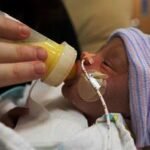
3. Nutritional Support: Feeding premature infants can be challenging due to their underdeveloped digestive systems. Initially, they may receive nutrients through an intravenous line (parenteral nutrition) or a feeding tube. Nurses carefully monitor the baby’s growth and adjust feeding plans as needed.
Monitoring and Assessments
Ongoing monitoring is a key component of nursing care for premature babies. Regular assessments help identify any changes in the baby’s condition and ensure timely intervention.
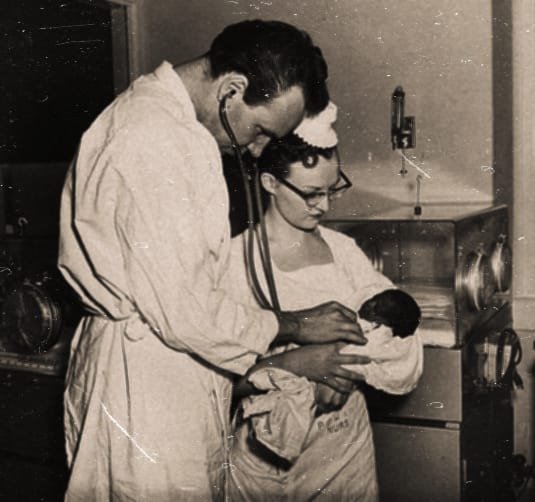
1. Vital Signs Monitoring: Nurses continuously monitor the baby’s heart rate, respiratory rate, blood pressure, and temperature. This information helps detect any deviations from normal ranges and allows for prompt action if needed.
2. Blood Tests and Lab Work: Routine blood tests are conducted to check for issues such as anemia, infection, and electrolyte imbalances. Nurses are responsible for collecting samples and ensuring accurate results.
3. Neurological Assessments: Premature babies are at risk for neurological issues, so regular assessments are performed to monitor their brain development and detect any signs of abnormalities.
Infection Control
Premature babies have immature immune systems, making them more susceptible to infections. Strict infection control measures are essential to protect these vulnerable infants:
1. Hand Hygiene: Nurses follow rigorous hand hygiene practices, including frequent handwashing and using hand sanitizers. This reduces the risk of transmitting infections to the baby.
2. Sterile Techniques: Any procedures involving medical devices or intravenous lines are performed using sterile techniques to prevent infection.
3. Environmental Cleanliness: The NICU environment is maintained with high standards of cleanliness. Regular disinfection of surfaces and equipment helps minimize the risk of infection.
Family Involvement and Support
Supporting families is a crucial aspect of nursing care for premature babies. Nurses work closely with parents to provide education, emotional support, and involvement in their baby’s care.
1. Parental Education: Nurses educate parents about their baby’s condition, care procedures, and how to participate in their baby’s care. This includes teaching parents how to handle feeding, diaper changes, and recognizing signs of distress.
2. Emotional Support: The experience of having a premature baby can be overwhelming for parents. Nurses offer emotional support, provide counseling resources, and encourage parents to express their feelings and concerns.
3. Encouraging Bonding: Nurses support practices that promote bonding between parents and their baby, such as kangaroo care (skin-to-skin contact). This can enhance the baby’s emotional and physical development.
Preparing for Discharge
As the baby’s condition improves, the focus shifts to preparing for discharge. Nurses play a key role in ensuring that both the baby and parents are ready to transition from the NICU to home care.
1. Discharge Planning: Nurses collaborate with healthcare providers to develop a discharge plan that includes follow-up appointments, home care instructions, and any necessary medical equipment.
2. Home Care Education: Parents receive detailed instructions on how to care for their baby at home. This includes information on feeding, medication administration, and recognizing signs of potential problems.
3. Follow-Up Care: Nurses ensure that parents are aware of and prepared for follow-up care, including appointments with pediatricians, specialists, and developmental assessments.
Conclusion
Nursing care for a premature baby involves a comprehensive approach to address their immediate and ongoing needs. From initial stabilization and NICU care to infection control and family support, nurses play a vital role in ensuring the health and development of preterm infants. By providing skilled, compassionate care and supporting families through this challenging time, nurses help premature babies achieve the best possible outcomes and transition successfully to home life.