

Understanding Weight Categories for Girls based on their age and weight
Understanding Weight Categories for Girls based on their age and weight
In the journey of growth and development, tracking the weight of children is a crucial aspect that often garners attention from parents and healthcare providers alike. For girls, understanding how their weight compares to standardized categories based on age is not just about numbers on a scale; it’s a window into their overall health, development, and well-being. This article delves into the weight categories for girls, aiming to provide insights into what they signify at different ages and how they can be used as a tool for promoting healthy growth.
Understanding Weight Categories
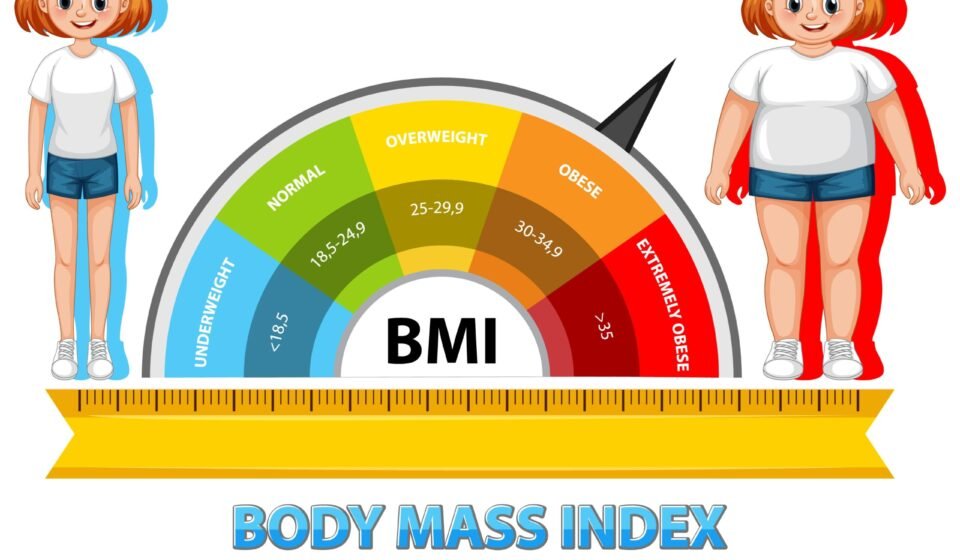
Weight categories, often determined through measures like the Body Mass Index (BMI) for children and teens, serve as a benchmark for assessing whether a girl is underweight, at a healthy weight, overweight, or obese. Unlike the adult BMI, the BMI for kids is age and sex-specific, acknowledging the body composition changes as children grow. This approach ensures a more accurate representation of a child’s weight status, taking into consideration the normal fluctuations in fat distribution and muscle growth throughout childhood and adolescence.
Age-specific Weight Categories for Girls
Early Childhood (Ages 2-5)
During these formative years, girls experience rapid growth and development. Weight categories at this stage are crucial for identifying potential nutritional deficiencies or health concerns early on. Healthy weight ranges vary widely due to the rapid changes in height and body composition, making regular check-ups essential to track growth appropriately.
Middle Childhood (Ages 6-11)
As girls enter school age, their bodies prepare for the next growth spurt. Weight categories during this period account for increasing activity levels and pre-pubertal growth. Monitoring weight against age-specific categories helps in ensuring that the physical development is on track and supports identifying needs for adjustments in diet or activity levels.
Adolescence (Ages 12-18)
Puberty brings about significant changes in body composition, including increased body fat and muscle mass. Weight categories for adolescent girls consider these factors, offering a framework to distinguish between healthy growth patterns and potential health issues related to weight. Understanding these categories is vital for fostering a healthy body image and addressing any concerns with appropriate dietary and lifestyle interventions.
Factors Influencing Weight and Development in Girls
Genetics, nutrition, physical activity, and environmental factors play integral roles in a girl’s growth and weight. A balanced diet rich in nutrients supports healthy development, while physical activity promotes strong bones and muscles. Genetics also dictate part of a child’s growth trajectory, but lifestyle choices and environmental factors can significantly influence their overall health and weight status.
Monitoring and Supporting Healthy Weight in Girls
Regular health check-ups and growth monitoring are pivotal. Pediatricians use growth charts and weight categories to ensure that a girl’s development aligns with healthy standards. Parents and caregivers can support healthy growth by encouraging a balanced diet, fostering an active lifestyle, and creating a positive environment around food and body image.
Strategies for supporting healthy weight vary by age but consistently focus on offering diverse, nutrient-rich foods and promoting physical activities that align with the child’s interests. Encouraging hydration, limiting screen time, and ensuring adequate sleep are also essential components of a healthy lifestyle.
Conclusion
Weight categories for girls offer a valuable tool for understanding and supporting their growth and development. By keeping informed about what constitutes a healthy weight at different ages, caregivers can play a proactive role in fostering environments that promote nutritious eating habits and regular physical activity. Remember, the goal is not just to focus on the numbers but to ensure that girls grow up healthy, confident, and strong. Regular consultations with healthcare providers and a supportive approach at home are key to navigating the challenges and joys of growing up, laying the foundation for a healthy adult life.